
Half-Day vs. Full-Day Fishing Charters in Quepos: Which Trip Is Best?
Planning a fishing trip on Costa Rica’s Pacific coast often begins with one important question: should you book a half-day or a full-day fishing charter? Both options offer exciting opportunities to experience the waters around Quepos, but the best choice depends on your fishing goals, available time, budget, and the species you want to catch.
Quepos is a popular sport fishing destination because anglers can explore productive coastal waters as well as deeper offshore fishing grounds. From roosterfish and snapper near the coastline to sailfish, marlin, yellowfin tuna, and mahi-mahi farther out in the Pacific, the region offers a variety of fishing experiences throughout the year.
When comparing half day inshore fishing Quepos Costa Rica with full day offshore fishing Quepos Costa Rica, it is important to understand that these trips differ in more than just their duration. They generally involve different fishing locations, techniques, target species, and daily schedules.
This guide explains what to expect from each option so you can choose the right Quepos fishing charters for your Costa Rica vacation.
Understanding Half-Day and Full-Day Fishing Charters in Quepos
The biggest difference between a half-day and a full-day fishing charter is the amount of time available on the water and how far the boat can travel to reach fishing grounds.
A half-day inshore trip usually lasts approximately four to five hours. It concentrates on coastal fishing areas, including rocky points, reefs, and other underwater structures where predatory fish search for bait.
A full-day offshore trip commonly lasts eight to nine hours, although schedules vary by boat and charter operator. The longer duration allows the captain to travel farther into the Pacific, spend more time trolling productive waters, and adjust the fishing plan as conditions change.
Both options can provide memorable fishing experiences. However, if you have a particular species in mind, choosing the right fishing style is just as important as choosing the length of your trip.
What Is a Half-Day Inshore Fishing Charter?
A half-day inshore fishing charter is designed for anglers who want to experience fishing in Quepos without committing an entire day to the ocean. These trips focus on productive waters closer to shore, where a range of coastal game fish can be found.
Depending on the operator, a half-day trip typically lasts four to five hours. Morning departures are popular, but some charters also offer afternoon departures.
Because the fishing grounds are relatively close to the marina, anglers can often begin fishing without a long journey into deep water. This makes the experience appealing to families, beginners, and visitors who want to combine fishing with other activities around Quepos and Manuel Antonio.
What Fish Can You Catch Inshore?
Inshore fishing in Quepos can target several exciting species, including:
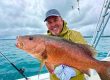
- Roosterfish: Recognized by their distinctive dorsal fins, roosterfish are powerful coastal predators prized by sport anglers.
- Snapper: Several snapper species inhabit rocky areas and reefs, providing opportunities for anglers using suitable bait and tackle.
- Jack crevalle: These aggressive fish are known for their strength and energetic fights.
- Grouper: Depending on the location and conditions, grouper can be targeted around suitable underwater structure.
- Mackerel: These fast-moving fish can provide entertaining action on appropriate tackle.
The species available on a particular trip depend on seasonal conditions, water temperature, baitfish activity, and the captain’s fishing strategy. Catching a particular fish is never guaranteed.
Benefits of Choosing a Half-Day Inshore Trip
One of the main advantages is convenience. You can experience Costa Rica’s Pacific fishing without giving up the entire day.
A morning charter may leave you with the afternoon available for relaxing at the beach, exploring Manuel Antonio, or enjoying a meal in Quepos. An afternoon trip may work well for visitors who prefer a slower morning.
Half-day trips can also be a practical introduction to sport fishing. First-time anglers can learn basic techniques, practice handling fishing equipment, and enjoy assistance from the captain and crew without spending many hours on the water.
For families with children, the shorter schedule may be easier to manage. It can reduce fatigue and leave less time for discomfort if someone is sensitive to boat movement. However, inshore fishing is not always calm, and ocean conditions can vary.
Another consideration is cost. A shorter charter generally costs less overall than a full-day trip, although prices vary according to boat size, included services, season, and whether the boat is private or shared.
What Is a Full-Day Offshore Fishing Charter?
A full-day offshore fishing charter is intended for anglers who want to explore deeper Pacific waters and spend more time pursuing offshore game fish.
These trips commonly last eight to nine hours, with departure times often scheduled for the early morning. Exact departure and return times depend on the vessel, distance to the fishing grounds, and conditions at sea.
Offshore fishing usually involves traveling away from the coastline toward deeper water. Once the boat reaches suitable areas, the captain may use trolling techniques to present artificial lures or rigged baits behind the vessel while searching for pelagic fish.
The extra hours provide more flexibility. The crew can cover a broader area, continue fishing when activity develops, and move to different locations when conditions or fish behavior warrant a change.
What Fish Can You Catch Offshore?
Full-day offshore fishing in Quepos can target some of the Pacific coast’s most sought-after sport fish.
Sailfish: Sailfish are famous for their speed, spectacular jumps, and powerful runs. They are among the species that attract anglers to Costa Rica.
Marlin: Blue and striped marlin may be encountered offshore, depending on the season and local conditions. These large game fish can provide demanding fights.
Yellowfin tuna: Tuna are powerful swimmers that can test an angler’s strength and technique. When schools are feeding, the action can become particularly exciting.
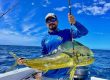
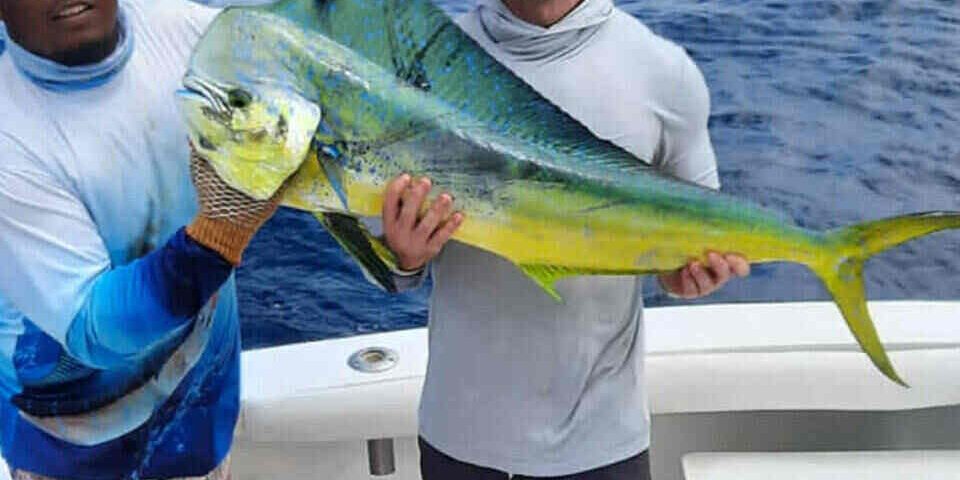
Mahi-mahi: Also known as dorado, mahi-mahi are colorful, fast-growing game fish that may be found around floating debris, weed lines, and other productive offshore features.
Wahoo: Wahoo are exceptionally fast predators that may be encountered while trolling offshore waters.
No charter can promise that you will catch every species on this list. Fishing success depends on the season, ocean conditions, bait availability, and the movements of wild fish.
Benefits of a Full-Day Offshore Trip
The most important advantage is the additional time available to reach and fish offshore grounds.
Some productive areas may require a considerable run from the marina. A longer charter gives the crew more time to travel, fish, and respond to changing conditions rather than having to return after only a few hours.
Full-day trips are especially appealing to anglers who have a specific offshore goal, such as targeting sailfish, marlin, or tuna. They are also suitable for experienced fishermen who enjoy spending a substantial part of the day on the water.
If you have traveled to Costa Rica specifically for sport fishing, dedicating a full day to an offshore charter may make sense. It allows you to focus on the fishing experience instead of fitting it between other vacation activities.
However, a full-day trip requires more preparation. You should be comfortable spending several hours on a boat, protecting yourself from the tropical sun, and potentially dealing with changing sea conditions.
Half-Day Inshore vs. Full-Day Offshore Fishing: Key Differences
Although both options depart from the Quepos area, they are designed around different experiences.
Trip Duration
A half-day inshore charter usually lasts four to five hours. A full-day offshore charter commonly lasts eight to nine hours.
The shorter option is easier to fit into a busy vacation schedule. The longer option provides more time to reach distant fishing grounds and pursue offshore species.
Always confirm the actual duration with your chosen operator, including whether the stated time includes boarding and travel.
Fishing Location
Inshore trips focus on coastal waters, rocky points, reefs, and other areas near shore. Offshore trips travel farther into the Pacific in search of deeper-water species.
The distance traveled affects the amount of time spent reaching fishing grounds, the type of tackle used, and the overall feel of the experience.
Target Species
Half-day inshore trips commonly focus on roosterfish, snapper, jack crevalle, and other coastal species.
Full-day offshore trips commonly target sailfish, marlin, yellowfin tuna, mahi-mahi, and wahoo.
If your primary goal is to catch roosterfish, an inshore charter is a natural starting point. If you are hoping to pursue billfish or pelagic species, an offshore trip is generally more appropriate.
Cost and Overall Value
Half-day charters generally have a lower total price, making them attractive to travelers with limited time or a tighter budget.
Full-day offshore trips usually cost more because they involve additional hours, greater fuel consumption, and longer travel distances. However, value should not be measured by duration alone.
Consider your fishing priorities, the number of people in your group, what is included in the price, and whether the trip provides the opportunity to pursue your preferred species.
For example, paying for a full-day trip may be worthwhile if offshore fishing is the main purpose of your vacation. If you simply want to experience fishing during a family holiday, a half-day trip may be a better fit.
Physical Comfort and Experience Level
A half-day inshore charter can be a good choice for first-time anglers and families who prefer a shorter outing. The closer fishing grounds may mean less time traveling, although the conditions can still be choppy.
A full-day offshore trip involves a longer commitment and potentially more exposure to open-ocean movement. Anglers who are comfortable on boats and enthusiastic about sport fishing may enjoy the extended experience.
Neither option requires every passenger to be an expert. A knowledgeable crew can usually help beginners understand the equipment and fishing techniques. Tell the operator about your experience level and any concerns before booking.
Which Fishing Charter Is Better for Beginners?
For many beginners, a half-day inshore charter is an excellent introduction to fishing in Quepos.
The shorter schedule allows you to learn the basics without dedicating the entire day to the activity. You can ask the crew questions, practice using the equipment, and discover whether you enjoy the experience.
Inshore fishing also offers opportunities to explore Costa Rica’s beautiful coastline while targeting hard-fighting fish.
Nevertheless, beginners who dream of catching sailfish or tuna do not necessarily need to avoid offshore fishing. A full-day offshore charter can be suitable for newcomers if they are comfortable with the longer trip and choose a boat with an experienced captain and supportive crew.
The best decision comes down to your goals and comfort level, not simply your fishing experience.
Which Option Is Best for Families Visiting Quepos?
Families often appreciate the flexibility of a half-day charter. A shorter outing can fit more comfortably into a vacation that also includes beaches, wildlife tours, waterfalls, and other activities.
Children may enjoy learning how fishing rods work, watching the coastline, and participating when fish are hooked. Parents should ask about age recommendations, life jackets, boat facilities, and whether the vessel is appropriate for their children’s needs.
A full-day offshore charter may be better suited to families with older children or teenagers who are enthusiastic about fishing and comfortable spending many hours on the ocean.
Before reserving either option, discuss your group’s needs with the operator. Ask about shade, seating, restrooms, food, drinking water, and the expected sea conditions. These practical details can make a significant difference to everyone’s enjoyment.
When Is the Best Time to Book a Fishing Charter in Quepos?
Quepos offers fishing opportunities throughout the year, but the species encountered and the conditions can change with the seasons.
Offshore anglers often plan trips around sailfish and marlin activity, while yellowfin tuna and mahi-mahi may be more prominent during different periods of the year. Inshore anglers can pursue roosterfish, snapper, jacks, and other coastal species depending on local conditions.
The best month for your trip depends on the fish you hope to catch. Rather than choosing a date based only on general fishing-season charts, ask a local captain about recent conditions and your preferred target species.
Remember that seasonal patterns describe probabilities, not guarantees. Fish can move, weather can change, and even a well-planned charter may produce a different result than expected.
If offshore fishing is your main priority, consider keeping some flexibility in your vacation schedule. That may help you coordinate your trip with the best available weather and fishing conditions.
What Should You Bring on Your Fishing Charter?
Whether you choose a half-day inshore outing or a full-day offshore adventure, packing appropriately helps make the experience more comfortable.
Consider bringing:
- Sunscreen suitable for extended exposure to tropical sunlight.
- A lightweight, long-sleeved shirt and comfortable clothing.
- A hat and polarized sunglasses.
- Non-slip footwear appropriate for the boat.
- A camera or phone stored securely against water.
- Any personal medication you may need.
- Motion-sickness remedies, if appropriate for you.
- Drinking water and additional snacks if the operator permits them and does not already provide them.
For a full-day trip, ask whether lunch, snacks, and beverages are included. Confirm which fishing equipment, bait, tackle, and fishing licenses are provided, and whether there are any additional fees.
You should also follow the captain’s safety instructions and use the required safety equipment throughout the trip.
How to Choose the Right Quepos Fishing Charter
Before booking, consider the following questions.
What fish do you want to catch? If roosterfish and snapper are your priority, look into inshore fishing. If sailfish, marlin, tuna, or mahi-mahi are your main targets, consider an offshore charter.
How much time do you have? A half-day trip leaves more room for other vacation activities. A full-day charter is better when you want to dedicate most of your day to fishing.
What is your budget? Compare the total charter price and inclusions instead of looking only at the advertised starting rate.
Who is traveling with you? Consider the needs of children, beginners, experienced anglers, and anyone who may be uncomfortable on a boat.
What does the charter include? Confirm the captain and crew, fishing gear, bait, food, drinks, licenses, fuel, and any additional charges.
What are the current conditions? Ask about the likely fishing grounds, recent activity, and whether the captain recommends inshore or offshore fishing for your dates.
Taking time to answer these questions can help you select a trip that matches your expectations.
Frequently Asked Questions
Is a half-day fishing charter in Quepos worth it?
Yes. A half-day inshore charter can provide an exciting fishing experience without requiring a full day on the water. It is particularly suitable for visitors with limited time, families, and beginners interested in coastal species.
Is a full-day offshore charter better for catching big fish?
A full-day offshore charter provides more time to reach and fish deeper-water grounds where species such as sailfish, marlin, and tuna are targeted. More time does not guarantee a catch, but it gives the crew greater flexibility to search for fish.
Can beginners book a full-day offshore fishing trip?
Yes. Beginners can join offshore charters, provided they are comfortable with the longer duration and possible ocean movement. Choose an experienced crew and explain your experience level before booking.
What is the difference between inshore and offshore fishing in Quepos?
Inshore fishing focuses on coastal waters and species such as roosterfish, snapper, and jack crevalle. Offshore fishing travels farther into the Pacific to target species such as sailfish, marlin, yellowfin tuna, mahi-mahi, and wahoo.
Should I book a morning or afternoon half-day charter?
Both may be worthwhile, depending on availability, weather, tides, and the captain’s advice. Morning departures can be convenient because they leave the rest of the day free, but fishing success depends on conditions rather than departure time alone.
Do fishing charters in Quepos provide equipment?
Many charters include rods, reels, tackle, and bait, but inclusions vary. Confirm the details directly with your operator, along with food, drinks, fishing licenses, and any additional charges.